

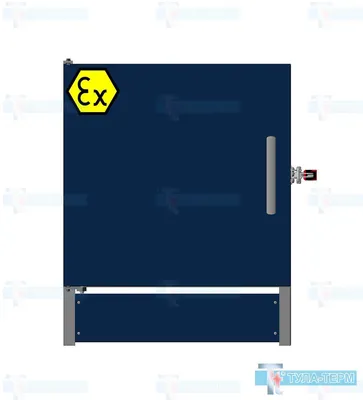
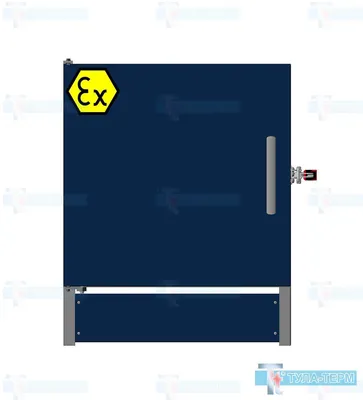
SNOL-67/2.5-I2-V-Ex


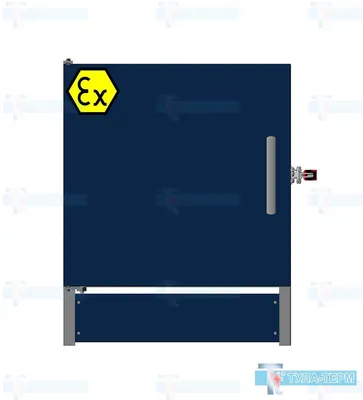
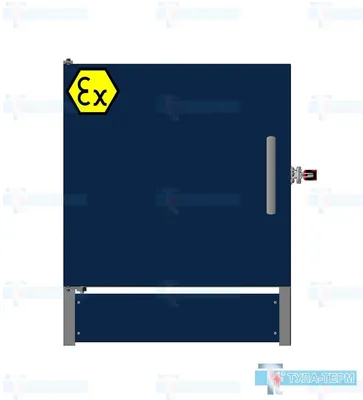
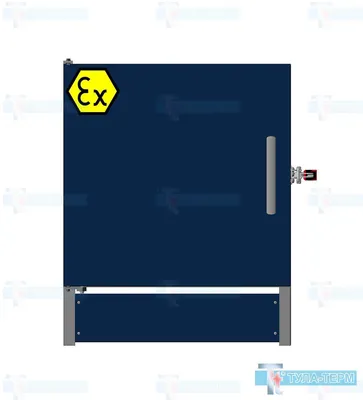
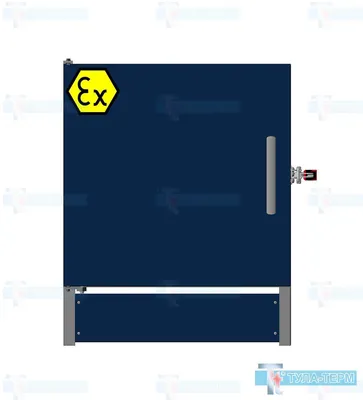
Explosion-proof drying oven SNOL-67/2,5-I2-V-E with forced air convection is a device designed for drying materials in conditions of increased explosion hazard.
It features high temperature stability in the working chamber and can be used in various industries.
The installed rated power of this drying oven is 1.0 kW, and the rated supply voltage is 220 V. The frequency is 50 Hz, and the number of phases is 1. The working chamber of this oven can be heated to a temperature of 249°C with an accuracy of ±3.0±0.0015t. The uniformity class is 2, which ensures even heat distribution inside the chamber.
This drying oven is equipped with a fan that provides forced air convection. The medium in the working chamber is air. For controllers with a programmer, there are 10 heating steps with temperature hold, and the number of programs stored in memory is 80. The working chamber volume is 67 liters, and the oven weight is 98 kg.
The explosion-proof drying oven SNOL-67/2,5-I2-V-E up to 240°C with forced air convection is a reliable and safe device for drying materials in conditions of increased explosion hazard. Its high temperature stability and precise process control ensure high-quality drying results. Thanks to the fan and the ability to program operating modes, this oven allows the drying process to be tailored to the user's specific needs.
This drying oven can be used in various industries where drying materials in conditions of increased explosion hazard is required.
For example, it can be used in the production of paints and varnishes, the chemical and oil and gas industries, as well as in food production where drying raw materials at high temperatures is necessary.
Furthermore, this drying oven is easy and convenient to use thanks to its simple and intuitive control interface. It allows the drying mode to be adjusted to specific needs and ensures high process efficiency.
The SNOL-67/2,5-I2-V-E drying oven is a reliable and safe device that can be used in various industries for drying materials in conditions of increased explosion hazard.

 8 (4872) 70-19-61
 info@tula-term.ru
 5 K. Marksa St., Tula, 300001

