

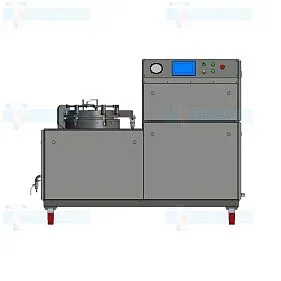
Vacuum booster unit SNVS-7.12/1.1-I2PV-3D


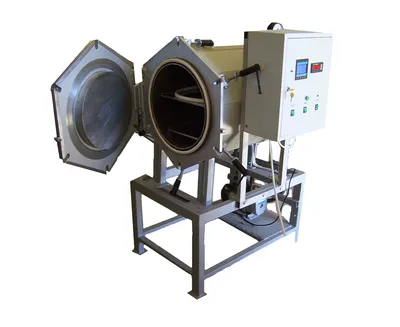
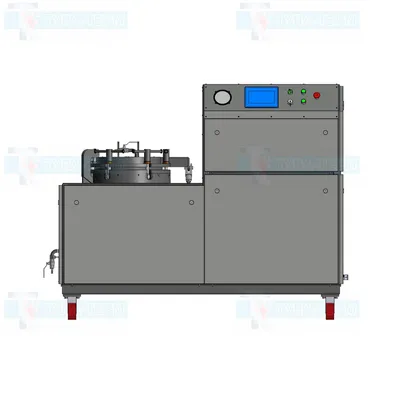
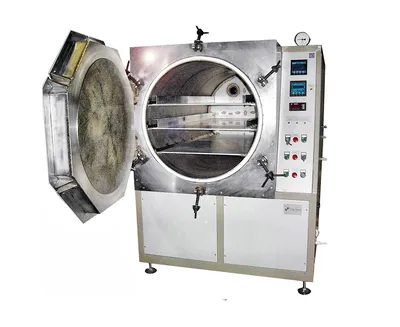
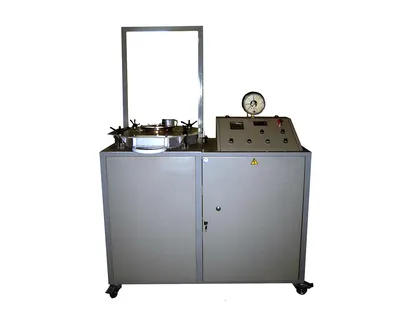
Vacuum-pressure (compression) impregnation unit SNVS-7.12/1.1-I2PV-3D is designed for impregnation and curing of products with epoxy compounds or other polymer resins to impart high electrical insulation, mechanical, and moisture protection properties.
Typical processed products:
- Windings of electrical machines (stators, rotors of electric motors and generators).
- Power transformers.
- Inductors.
- Other electronic components requiring reliable insulation and environmental protection.
Applications
The impregnation unit is intended for use at enterprises engaged in:
- Manufacturing and repair of electrical machines (electric motors, generators) - impregnation of electric motor stators.
- Production of high-voltage electrical equipment - impregnation of high-voltage modules.
- Transformer manufacturing - vacuum impregnation of transformers.
- Defense, aviation, and space industry enterprises with high requirements for electrical insulation reliability.
- Inductors and high-frequency chokes (when using specialized low-loss impregnation materials).
- Other bubble-free impregnation: Vacuum ensures that the viscous low-loss material fills all cavities without air bubbles.
Vacuum-pressure impregnation technology
Step 1: Evacuation of the product (preparation).
Purpose: Remove air and moisture from pores and cavities of the product.
Process:
- The product is loaded into the chamber on a carriage.
- The door is sealed hermetically.
- The vacuum pump is turned on, evacuating air from the chamber with the product. A vacuum is created.
- The product is held under vacuum for a set time to allow most of the air to escape from the deepest pores.
Step 2: Pressure application (impregnation).
Purpose: Forcibly fill remaining micro-voids with compound.
Process:
- The vacuum pump is turned off.
- Compressed air or inert gas (nitrogen) is supplied into the chamber at a pressure of up to 3 bar.
- This pressure acts on the entire surface of the compound covering the product.
- Under this external pressure, the compound is forced into the smallest pores and voids that were not fully filled during the evacuation stage. This is the main task of pressure.
Step 3: Pressure release and excess drainage.
Process:
- After holding under pressure for a set time, the pressure in the chamber is released to atmospheric.
Step 4: Curing (polymerization).
Process:
- The product, already impregnated with compound, can be removed from the chamber for curing.
- However, most often (and this is a major advantage of the unit) curing occurs directly in the chamber.
- The heaters on the carriage are turned on, and the chamber operates as an "oven," maintaining the precise temperature (up to +110°C) required for resin polymerization.
The information provided is for reference purposes. For your production, a detailed process map must be developed considering the specifics of the technical process and the requirements of the materials used.

 8 (4872) 70-19-61
 info@tula-term.ru
 5 K. Marksa St., Tula, 300001

